

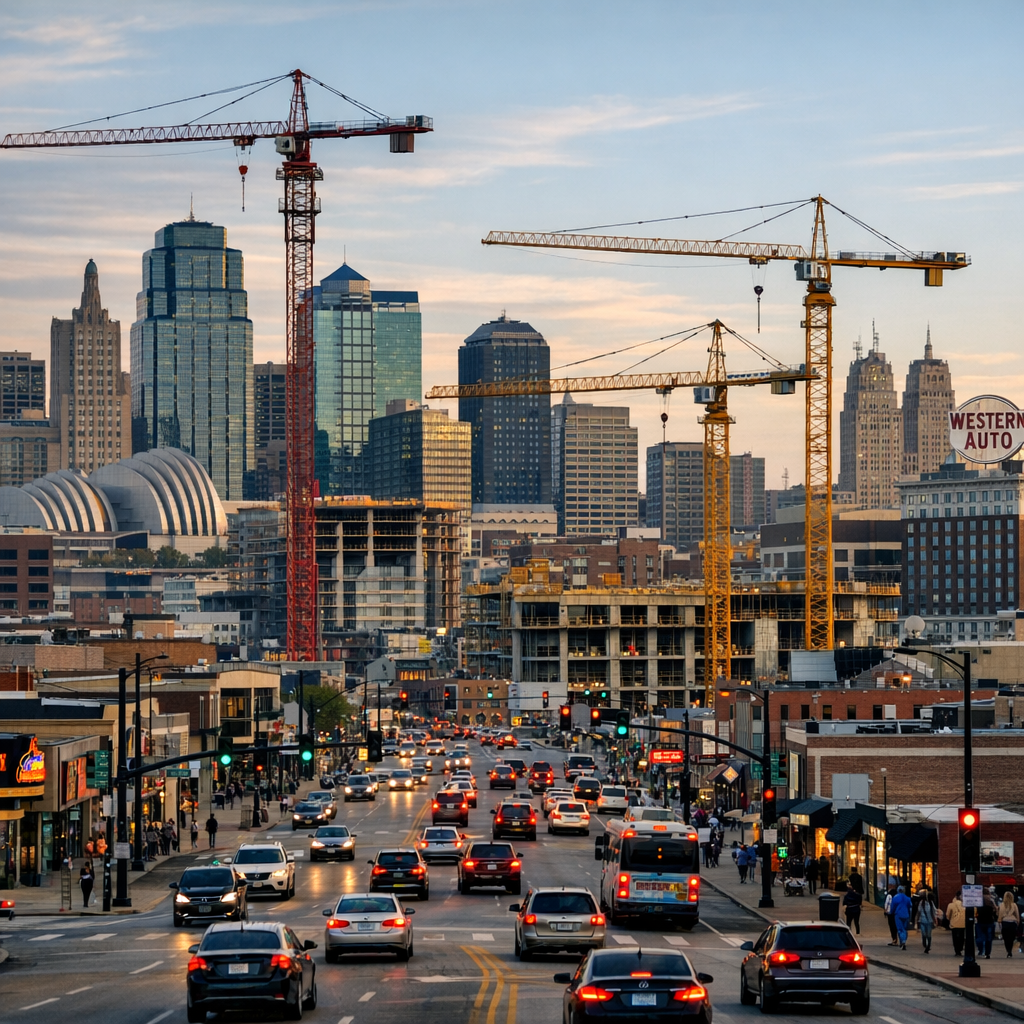
In recent years, Kansas City has demonstrated remarkable resilience in the face of significant federal policy changes. As national decisions ripple through local economies, our city has both capitalized on opportunities and navigated challenges to maintain its economic vitality.
Federal Workforce Reductions and Economic Impact
The Trump administration’s initiative to reduce the federal workforce led to the elimination of approximately 2,800 federal jobs in Kansas City. This reduction not only affected the individuals directly involved but also had broader economic implications. The loss of these well-paying positions resulted in an estimated $900 million decrease in local economic activity over the course of a year. For every federal job lost, about one-and-a-half additional jobs in other sectors were impacted, highlighting the interconnectedness of our local economy.
Infrastructure Investments and Economic Growth
Despite these challenges, Kansas City has pursued significant infrastructure projects to bolster economic growth. The expansion of Kansas City International Airport (KCI) is a prime example. In 2024, KCI generated $6.3 billion in economic output, marking a 25% increase from a decade prior. This growth underscores the airport’s role as a vital economic engine, supporting nearly 40,000 jobs across various sectors and contributing substantially to the region’s payroll and tax revenue.
Housing and Population Dynamics
Between 2014 and 2024, the Kansas City metro area experienced a 10.6% increase in housing units, outpacing the 8.9% population growth during the same period. This trend exceeds national averages and reflects the city’s proactive approach to accommodating a growing population. However, challenges remain, particularly concerning housing affordability. High mortgage rates and limited housing supply have made homeownership difficult for many residents, prompting ongoing discussions about sustainable development and affordable housing initiatives.
Tourism and Business Travel
The tourism sector has also faced fluctuations influenced by national trends. While overall tourism in Kansas City saw a decline, business travel has played a stabilizing role. Corporate spending on regional events surged, even as discretionary leisure travel normalized after the post-pandemic surge. Looking ahead, events like the upcoming World Cup are expected to significantly boost tourism, offering a unique opportunity to showcase Kansas City on a global stage.
Conclusion
Kansas City’s ability to adapt to federal policy changes and national economic trends speaks to the resilience and dynamism of our community. By investing in infrastructure, addressing housing challenges, and leveraging opportunities in tourism and business travel, the city continues to navigate the complexities of national policies while fostering local economic growth.